
Climate, Environment, and Sustainability Speakers
Our speakers are visionary authors, thought leaders, and changemakers who can help your audience navigate current climate, environmental, and sustainability issues while inspiring them to act. They advocate for practical visions of a future centered around human flourishing. They don’t just raise awareness about climate, environment, and sustainability issues—they help build the roadmap forward.
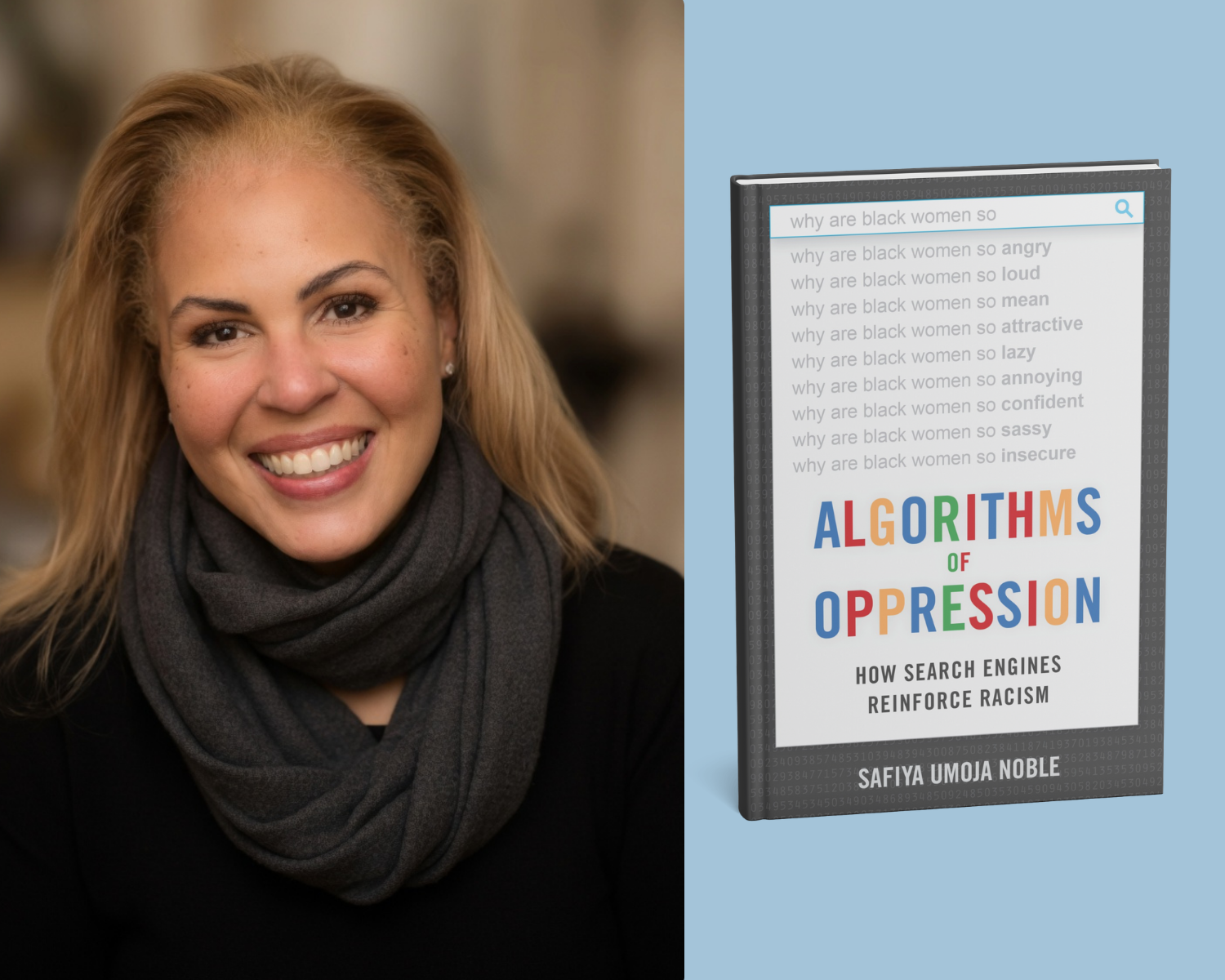
Safiya U. Noble
Leading Voice on AI Ethics and Algorithmic Discrimination | Bestselling Author
“I fundamentally start with the premise that everybody on Earth is uniquely important. So it gets easy then to discern which technologies, which policies, which practices are about limiting the possibility of human potential? Which are about harm and which aren’t? So that gets very easy by regulations to protect the environment or regulations that protect people, that enable people to not have to drink dirty water or take harmful derivatives of plant medicine that can kill them or hurt them. In that way, at the heart of thinking about policy is whatever one’s moral compass is.
The truth is a lot of people believe in the disposability of other people, and they regulate and make decisions out of that space. If we were to think about access to knowledge, we have this fundamental contradiction around whose knowledge is protected and made available and preserved, and whose isn’t. If we lived in a world that foregrounded indigenous knowledge practices, we would not be in the same conversation about climate change or climate injustice. ”
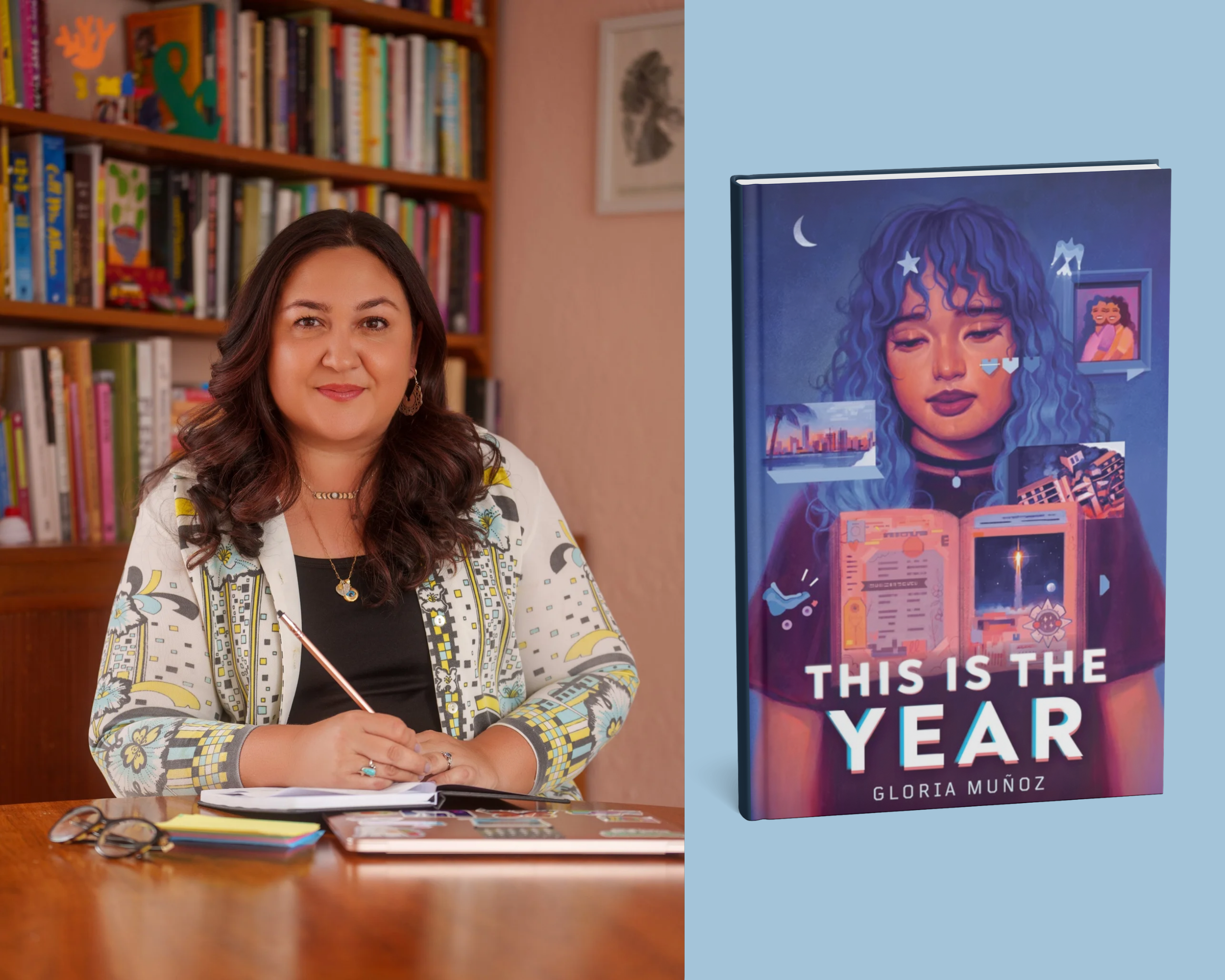
Gloria MuÑoz
Multilingual Literacy Advocate | Award-winning Latina Cli-fi Author | Founder of Creative Bilingual Media Company | Eco-Poetics Visionary
“I live in Florida, so I see the repercussions of climate change every day, especially during hurricane season. Right now there are homes that are being rebuilt, as you know, and homes that are being torn down due to weather. We’re going to have to make a lot of changes in the future. And I kept thinking, Wow, I have a kid now. I have to make these decisions and think about their future, and what we’re passing off. That’s why I write climate fiction.”
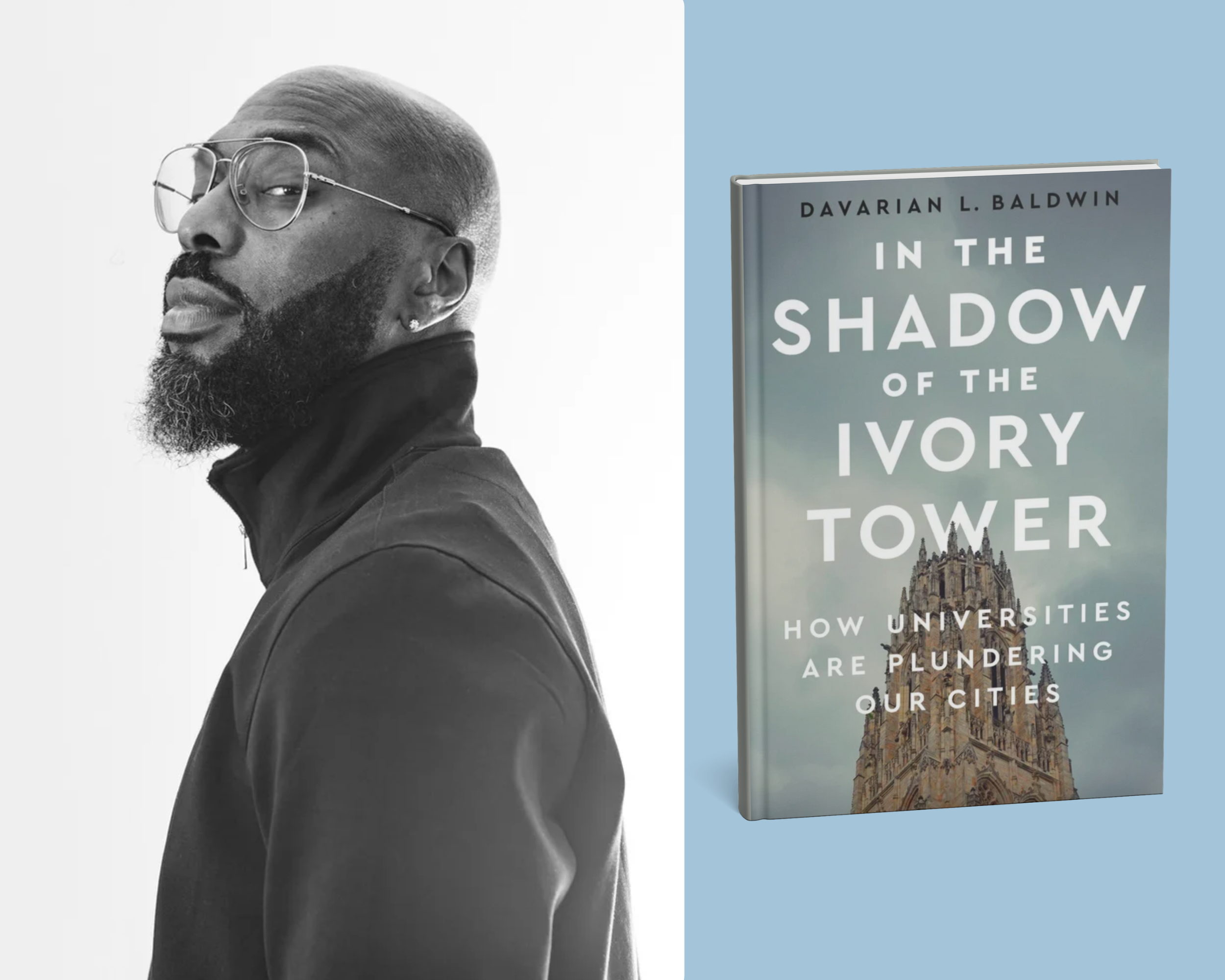
Davarian L. Baldwin
Internationally Recognized Black Scholar | Urbanist, Cultural Critic, and Public Advocate | Higher Ed Reform Expert
“I have created the Smart Cities Lab (SCL), which studies and consults on the best practices for building equitable urban communities, with a special focus on university-based urban development. The notion of smart cities normally references technological solutions for urban planning but tends to omit discussions of the city’s residents who are subjected to any new infrastructure. SCL puts people first to explore how urban revitalization can benefit existing urban communities without regard to income, social background, criminal record, or citizenship status. The work is governed by a mantra that I heard all over the country: development without displacement.”
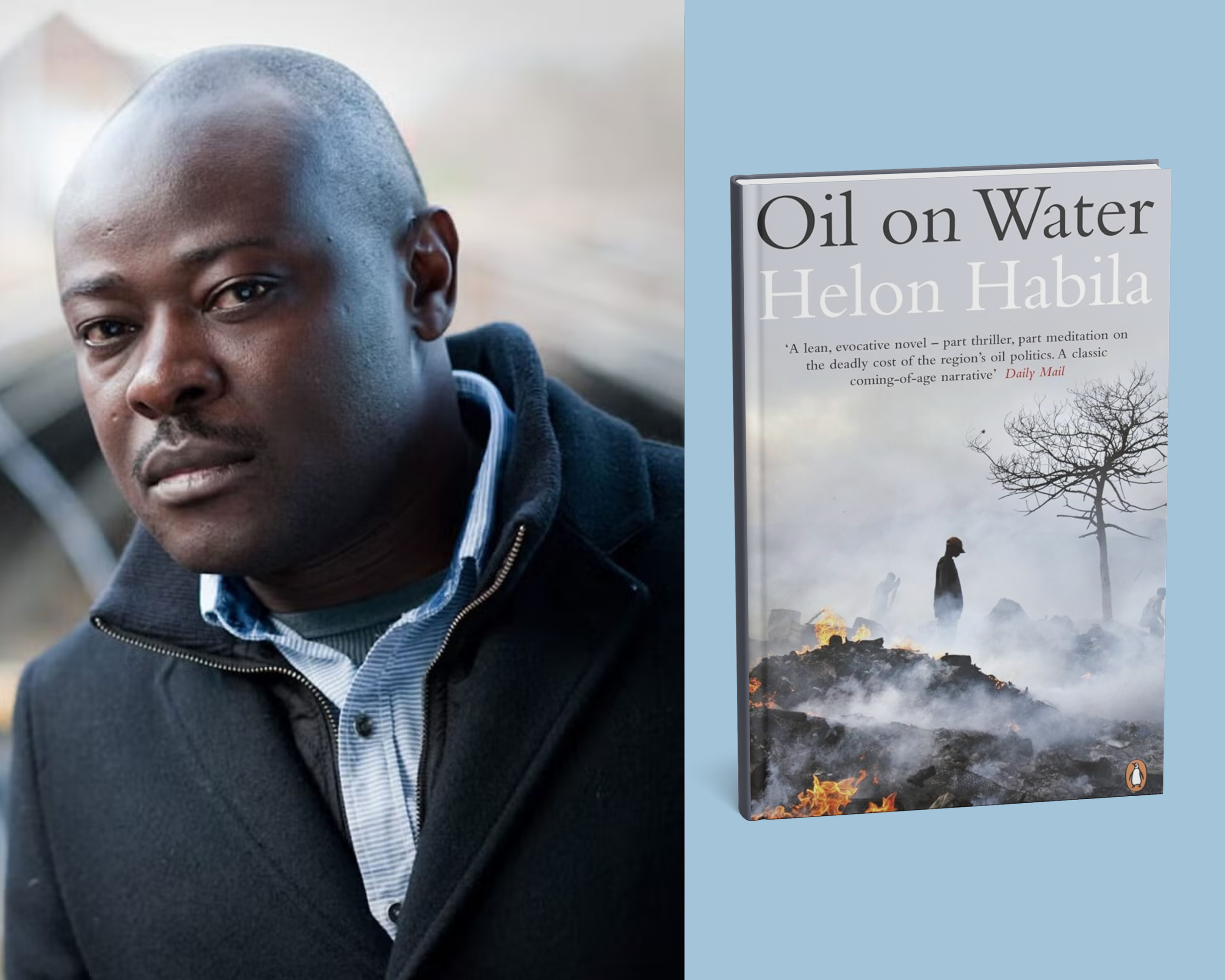
Helon Habila
Award-winning Nigerian Author and Poet | Journalist | Leading Voice in Environmental Literature | Colonialism Expert
“The Niger Delta is an interesting place. But it is a place that is unique to Nigeria [because of] the kidnappings, the violence. We never had anything like that in Nigeria before. It was shocking to Nigerians that this was actually happening. That is where the kidnapping started. Now we see it everywhere, especially in the north. It started as a protest of the environmental pollution but then it became a business.
It is also about oil and oil pollution and that is not unique to Nigeria. I have seen it in America and in the Caribbean. It is a big problem that needs to be confronted. A few people are making billions from the oil business while destroying the environment for the rest of us. All of us own this world and they are destroying it.”
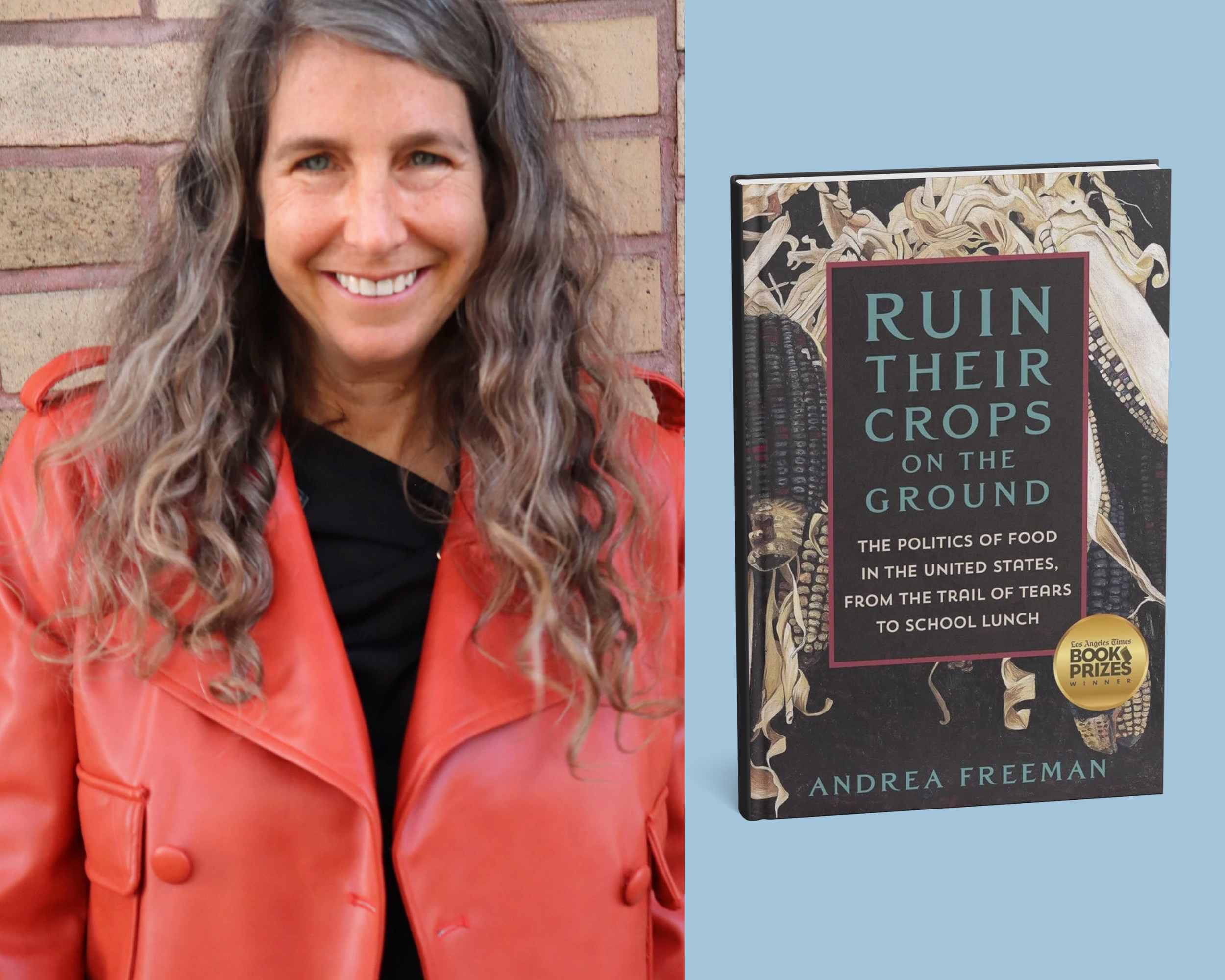
Andrea Freeman
Pioneer of Food Oppression Theory | Award-winning Law Professor and Author | Fulbright Scholar | Policy Expert
Andrea Freeman, Second Century Chair at Southwestern Law School and a recognized expert on the intersection of critical race theory, food policy, and health, is the author of the award-winning book Ruin Their Crops on the Ground: The Politics of Food in the United States, from the Trail of Tears to School Lunch. The work examines how U.S. food law and policy have historically served political and economic agendas at the expense of communities, particularly marginalized people groups.
“As a society, we need to separate support of agriculture from the health of people. It’s time to get corporations out of our food law and policy.”
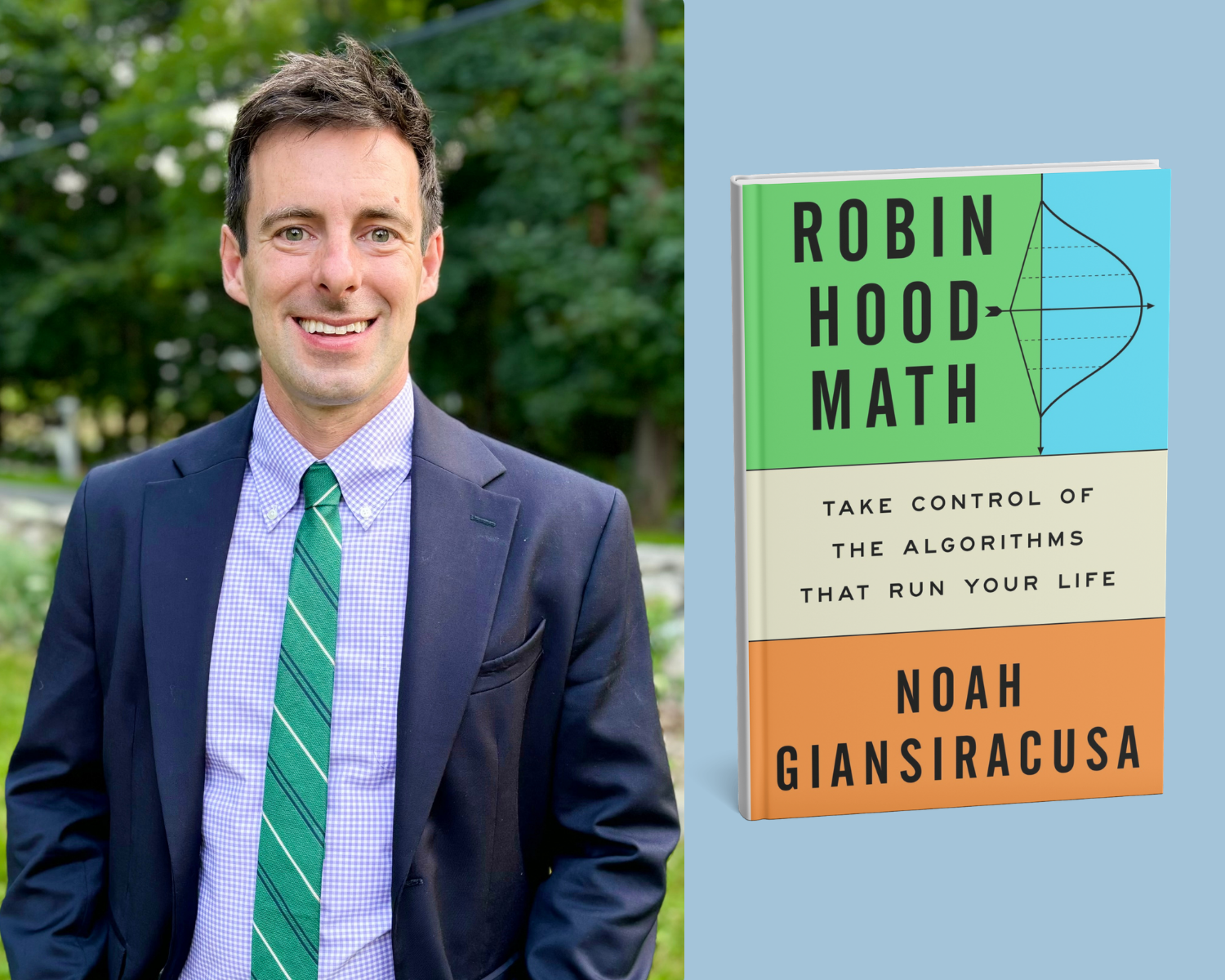
NOah Giansiracusa
Algorithms Expert | Award-winning Mathematician | Acclaimed Author | Media Literacy Advocate
“In at least one document trying to assess the cost of climate change in terms of lives lost, the EPA controversially decided to adjust the value of a statistical life based on per capita income. This means the number assigned to someone in Germany is ten times the number assigned to someone in Ghana.
Those in power have long been inclined to see people as numbers. This partly reflects a practical constraint. You can treat the members of your family and your local community with the individuality and respect they deserve. But a government is responsible for so many citizens, and a large company for so many customers, that individual faces and identities inevitably blur into a fog of impersonal statistics.”
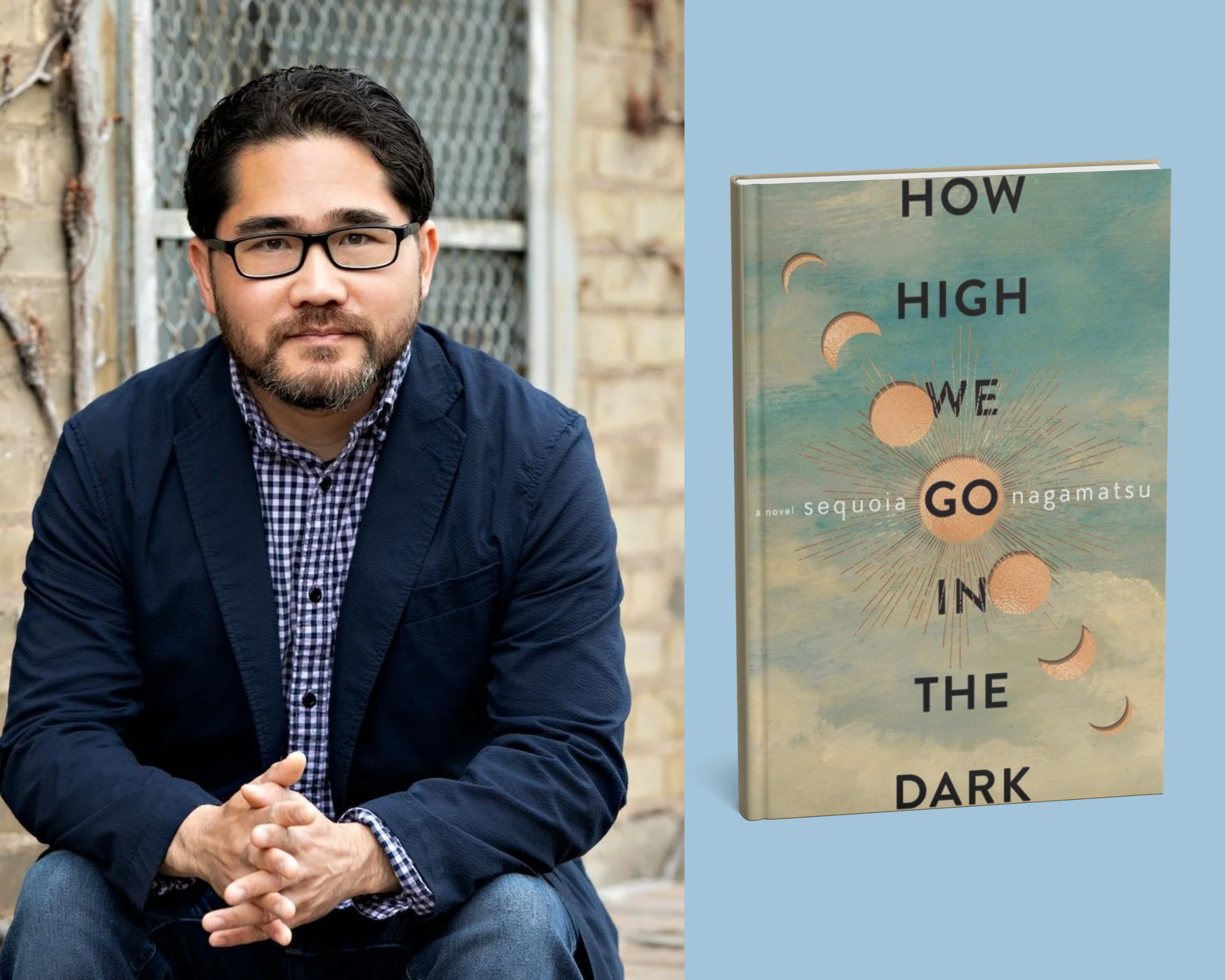
Sequoia Nagamatsu
Climate Fiction and Experimental Writing Visionary | National Bestselling Author | Art of Hope Storyteller
“I’ve been teaching a climate fiction course for several years now, and I’ve seen a noticeable shift in my students regarding how we should treat climate change. They’ve moved from wanting to stop climate change completely to preventing further planetary damage and mitigating consequences. In other words, there’s an acknowledgement that whatever measures we take to prevent further damage, we’ll have to adapt to an irrevocably changed world and evolve to maintain that world. At the heart of our conversations is a focus on community ethics and societal system change... [Eco-conscious novels] can help foster deeper, more humanistic conversations about climate change that can work in concert with the work of scientists and nonprofit/grassroots organizations.”